
Parquet flooring carries a character that few materials can match—the warmth of individual timber blocks, the elegance of a classic herringbone pattern, and a profound sense of craftsmanship made to last. But time, heavy foot traffic, and life eventually take their toll. When your floor starts to look tired, scratched, or uneven, you face one of the most consequential home improvement decisions a property owner can make: restore what you have, or start again?
Making the wrong call is an expensive mistake. By breaking down the processes, pros, cons, and structural realities of both paths, you can confidently choose the right future for your floor.
Contact Floorworks™ for Professional Flooring Solutions
Professional flooring solutions help transform residential and commercial spaces through expert installation, restoration, sanding, and refinishing services.

Option 1: The Case for Parquet Floor Restoration
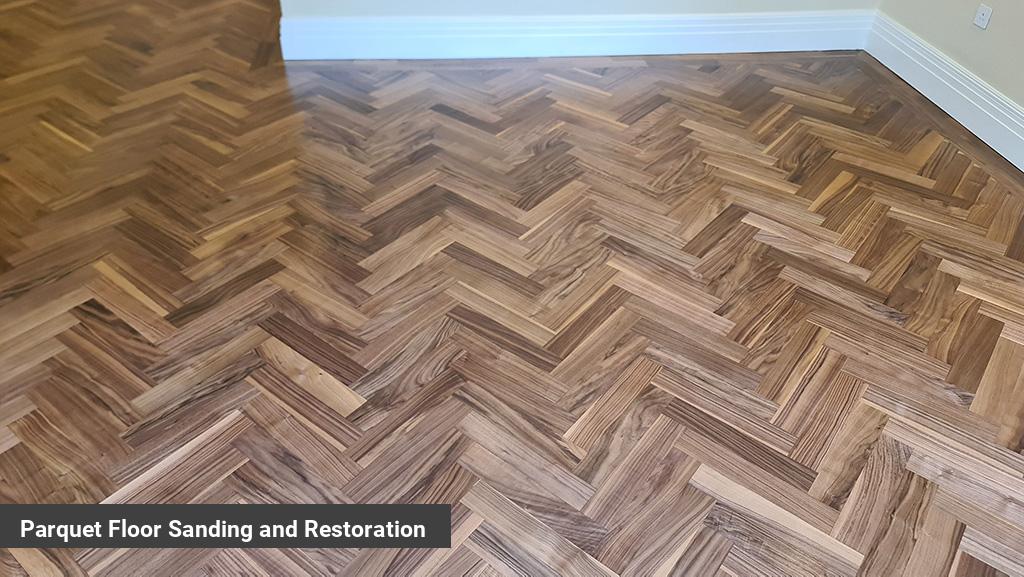
For most homeowners with solid wood parquet in reasonable condition, professional wood floor restoration is the smarter choice—financially, environmentally, and aesthetically. Wood is an incredibly resilient material, and what looks like catastrophic surface damage can often be erased to reveal stunning, hidden timber beneath.
The Restoration Process
A thorough parquet floor restoration service begins with essential parquet floor repairs. Experienced floor layers meticulously re-bond loose blocks, replace missing or unsalvageable pieces, and address any structural issues before the heavy machinery arrives.
Once the floor is stable, skilled technicians carry out professional parquet floor sanding. Using progressively finer grits, they strip away years of grime, old varnish, and scratches until the entire surface is back to clean, bare timber. Gap filling follows, where a paste made from fine wood dust and flexible resin is pressed into every joint, creating a virtually seamless, invisible bond across the pattern.
The finishing stage is where the floor's character is redefined:
Wood Floor Staining: Allows you to deepen or entirely transform the timber’s natural color.
Re-oiling: Delivers a rich, matte, and easily repairable surface.
Lacquer / Polyurethane: Provides a harder, glossier, and highly durable protective barrier.
Waxing: Produces a traditional, velvety warmth that many historic homeowners love.
Regular floor polishing and re-oiling between professional treatments will keep this revived surface looking its best for years.
The Main Benefits
Cost-Effective: Even a comprehensive hardwood floor renovation—encompassing sanding, repairs, gap filling, and premium finishes—costs a fraction of a new floor installation.
Preserving History: Older solid parquet was frequently made from dense, slow-grown timber of a quality simply not available on the mass market today. Restoration preserves a irreplaceable architectural narrative and an authentic vintage patina.
Eco-Friendly: Reusing the wood already under your feet is the ultimate sustainable choice, drastically minimizing landfill waste and reducing the demand for new timber.
Option 2: The Case for New Parquet Installation
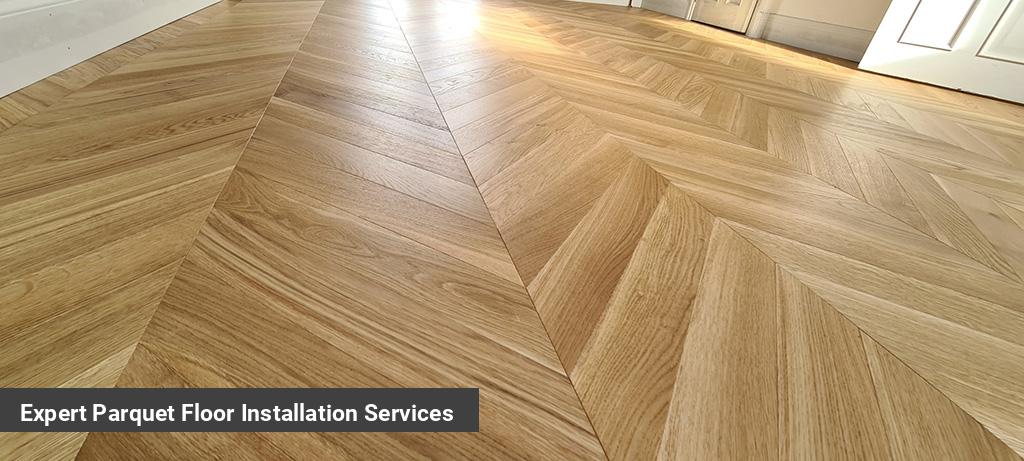
While preservation is ideal, honest floor fitters will tell you when restoration is no longer viable. When the existing wood is past its prime, or when you are completely changing the footprint of your home, new parquet floor fitting gives you a clean slate.
The Installation Process
A professional installation lives or dies by subfloor preparation. Experienced floor fitters must level, dry, and structurally sound the subfloor before a single block is laid. This stage alone separates elite floor layers from generalists; parquet laid on a poorly prepared or damp subfloor will develop buckling and gaps within months.
Once the foundation is flawless, the blocks are laid with geometric precision, lightly sanded to ensure a perfectly flat surface, and sealed with your chosen finish.
The Main Benefits
Total Design Freedom: You aren't locked into the choices of previous owners. You can select premium wood species (like European Oak or American Walnut), modern geometric patterns, unique borders, or contemporary matte finishes.
Structural Upgrades: Ripping up the old floor provides a rare opportunity to fix whatever problems lie beneath, such as squeaky floorboards, sagging joists, or deep-seated damp issues.
Engineered Stability: Modern engineered parquet looks identical to solid wood but handles temperature and humidity fluctuations beautifully. This makes it highly compatible with modern underfloor heating systems—something solid vintage parquet generally cannot handle.
Three Questions That Will Decide Your Path
If you are still on the fence, asking these three structural and practical questions will clarify your next steps:
1. What is the structural condition of the wood?
Take a close look at the physical state of the blocks. Superficial scratches, minor gaps, and a dull finish are prime territory for a restoration service.
However, if the blocks suffer from severe water damage causing deep rot, active woodworm, or deep cupping, replacement is necessary. Furthermore, if previous owners have subjected the floor to excessive sanding over the decades, there may be insufficient timber left above the tongue-and-groove joints to survive another sanding cycle.
2. What is your budget?
Hardwood floor restoration is significantly cheaper than new parquet floor installation. If the bones of your existing floor are structurally sound, restoration delivers the highest return on your investment. New installation should be reserved for budgets that can accommodate both premium timber costs and extensive subfloor preparation labor.
3. Are you changing the layout of your space?
If you are undergoing major structural remodeling—such as knocking down walls to create an open-plan living space or extending a room—matching existing vintage parquet across a brand-new footprint is incredibly difficult, even for highly skilled floor fitters. In cases of significant architectural changes, a uniform new installation across the entire space is usually the cleaner, more cohesive solution.
Choosing the Right Professionals
The Expert Test: Whether you require a wood floor sanding service or a full new floor fitting, the outcome depends entirely on who handles the timber. Look for floor installers who specialize in wood and parquet specifically—not generalists who spend most of their time laying carpet or vinyl.
When interviewing contractors, ask to see a portfolio of their previous parquet floor restoration and hardwood floor renovation work. Inquire specifically about how they approach subfloor testing and dust containment. The best floor layers will always begin with an honest site assessment, clearly explaining what your specific floor actually needs rather than upselling you on unnecessary treatments.
A beautifully restored or expertly installed parquet floor is one of the finest investments a home can hold. By assessing your floor's structural integrity and aligning it with your long-term design goals, you can ensure your timber remains a stunning centerpiece for generations to come.
Book Your Free Consultation with Floorworks™
Schedule a professional wood floor restoration services


