If you're asking whether to restore or replace, here's our honest take: as long as the wood's still sound, restore it every time. It costs less, and you keep the character that makes the floor worth having in the first place. But some floors have simply had enough — too thin to sand, too far gone structurally, or too patchy to ever blend back together. When that's the case, restoring just delays the inevitable.
Why We Always Try to Save the Floor First
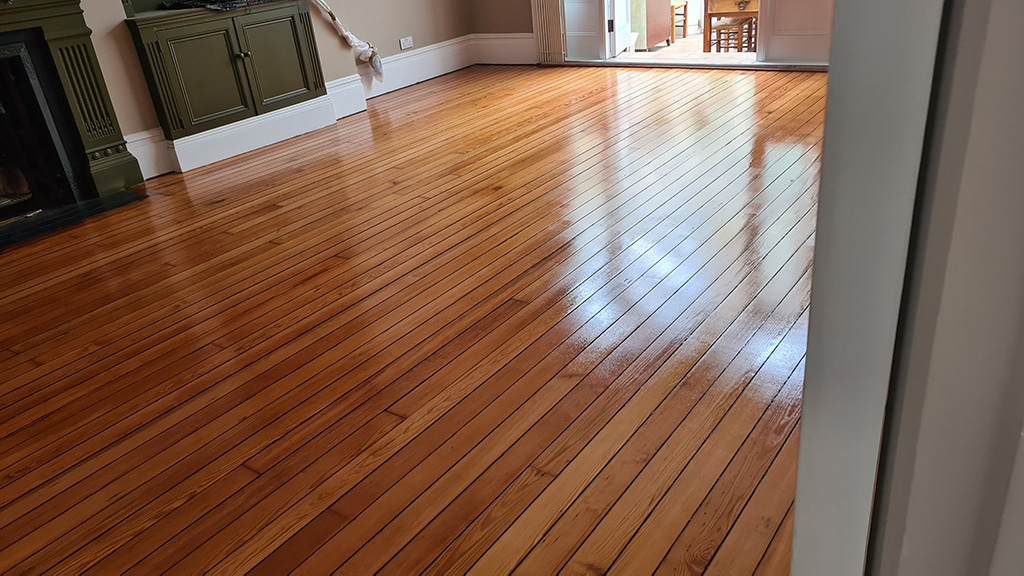
There's something about an original wooden floor that new materials just can't fake. Victorian pine worn smooth by a century of footsteps, or a parquet pattern laid by hand decades ago — it has a character that's genuinely hard to replicate.
So our starting point is almost always: can we save this? Floor sanding, the right repairs, and a good finish can bring a floor back from looking completely written off. We've seen it happen more times than we can count.
But wood doesn't last forever. And knowing when to stop restoring and start replacing is one of the most important calls a floor specialist makes. Push a floor past that point and you're just spending money on something that won't hold up.
Here's what tells us a floor has reached that point.
There's Simply No Wood Left to Sand
Every sand takes a small layer of timber off the top. Most solid floors can take four to six sands in their lifetime. Engineered floors have a lot less room to work with.
Here's where it runs out:
Solid boards and parquet — once you can see the tongue-and-groove joint or the nail heads through the surface, there's nothing left. Sand it again and it'll splinter and fall apart under the machine.
Engineered floors — the real wood layer on top is often under 1mm by this stage. One more sand and you're through to the plywood underneath.
No amount of staining or oiling fixes wood that's too thin to sand.
The Floor is Rotten or Riddled with Woodworm
A creaky board is just an old floor talking. A soft, springy patch underfoot is a different story.
Rot — dry rot makes wood crumbly and dead. Wet rot eats the floor from the inside, so the surface can look fine while it's hollow underneath.
Woodworm or termites — years of activity leave the timber full of tiny tunnels, weakening it from within.
A patch here and there can usually be fixed with a floorboard repair. But if the rot or woodworm has spread across the room, sanding it is genuinely risky — the timber can crumble under the machine.
The Boards are Warped and Won't Lie Flat
Mild cupping (the edges of the boards curling up slightly) is usually fixable — a careful diagonal sand once you've dealt with the damp causing it will flatten things out.
But if the warp has really set in — what's called "crowning" — there's often no fixing it without sanding away so much wood that the boards become dangerously thin. At that point, flattening the floor and keeping it structurally sound become two things you can't have at once.
Too Much of the Floor Needs Patching
We're genuinely good at this part — sourcing well-matched reclaimed boards and blending them in so well that after a final sand and seal, you can't tell where the old ends and the new begins.
But there's a tipping point. Reclaimed timber ages differently batch to batch, and takes stain and oil slightly differently too. Once you're replacing more than about 20–30% of the floor, it stops looking like one floor and starts looking like patches stitched together. And trying to fill gaps on a floor that's more gap than wood never really works — the filler cracks and falls out within months.
Deep Stains, Smells or Contamination That Won't Come Out
A wine spill or an old radiator leak sands out without much drama. What doesn't come out is anything that's soaked all the way through the wood.
Long-term pet damage, flooding, or chemical spills can sit deep in the timber's fibres. And here's the tricky part — sanding heats the wood, which can actually bring old, dormant bacteria and smells back to life instead of removing them. If that's happening, no amount of floor cleaning or re-oiling is going to fix it permanently. The wood needs to go.
The Maths Just Doesn't Add Up
Before committing to a big restoration job, do this simple comparison: add up the full cost of fixing the structure, sanding, filling gaps, and sealing — then compare it to the cost of a new floor installation.
If the two numbers land close together, but the restored floor would still leave you with thin, patchy, or unstable boards — replacing it is usually the smarter move, both for your budget and for how the room actually looks.
The good news? Replacing doesn't mean losing the character you love. A good installer can source reclaimed timber that matches the age and species of your original floor almost exactly. You get a floor that looks like it's always been there — and one that'll actually last another century.
FAQ
How many times can a wood floor be sanded before it needs replacing? Solid hardwood floors can usually take four to six sands over their lifetime. Engineered floors have much less to give — often less than 1mm of real wood on top once they're nearing the end.
Can a floor with woodworm or rot damage still be saved? Usually, yes, if it's contained to a small area — a localised repair can sort it. If the damage is spread across the whole room, though, sanding becomes risky and replacement is usually the safer call.
Is it cheaper to restore an old floor than replace it? Not always — and that's the point worth checking before you commit. If a full restoration ends up costing close to what a new floor would, but leaves you with thin or patchy boards, replacement is often the better value long-term.
How do I know if my parquet floor has come loose from the subfloor? Walk across the room and listen. Hollow, crunching sounds or blocks that shift underfoot are the tell. A few loose blocks can be re-glued individually — widespread movement usually means the whole floor needs relaying.
Can old stains or smells from pets or flooding be sanded out? Surface stains, yes. Deep contamination, not reliably — sanding can even release old smells rather than remove them, since the heat from the machine can reactivate dormant bacteria. In those cases, replacement is the more permanent fix.
Not sure whether your period floor can be restored or needs replacing?
Book a free assessment with Floorworks — our specialists will give you an honest, no-obligation recommendation, whichever way it goes.