-
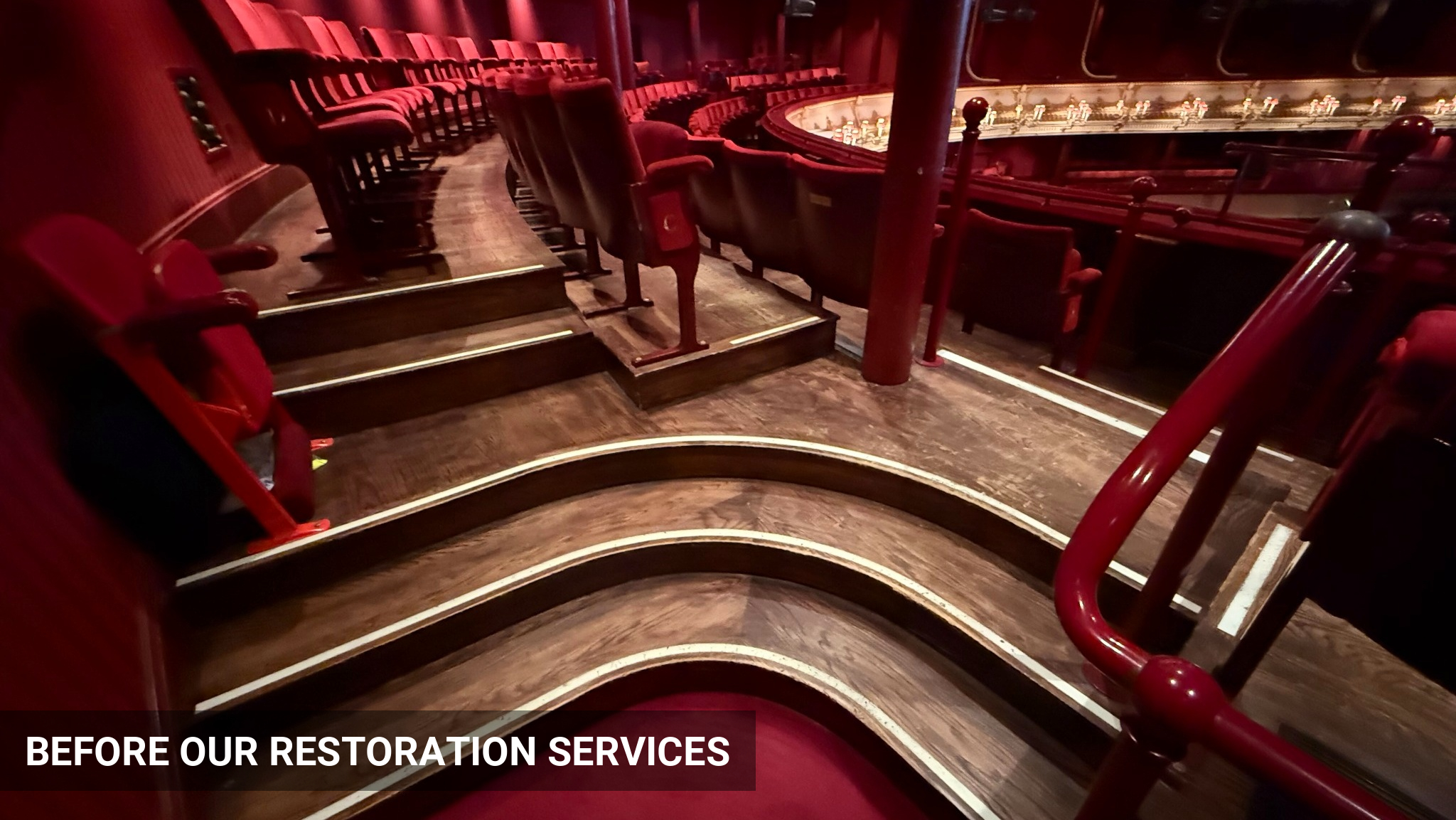
Before Our Restoration Services
-
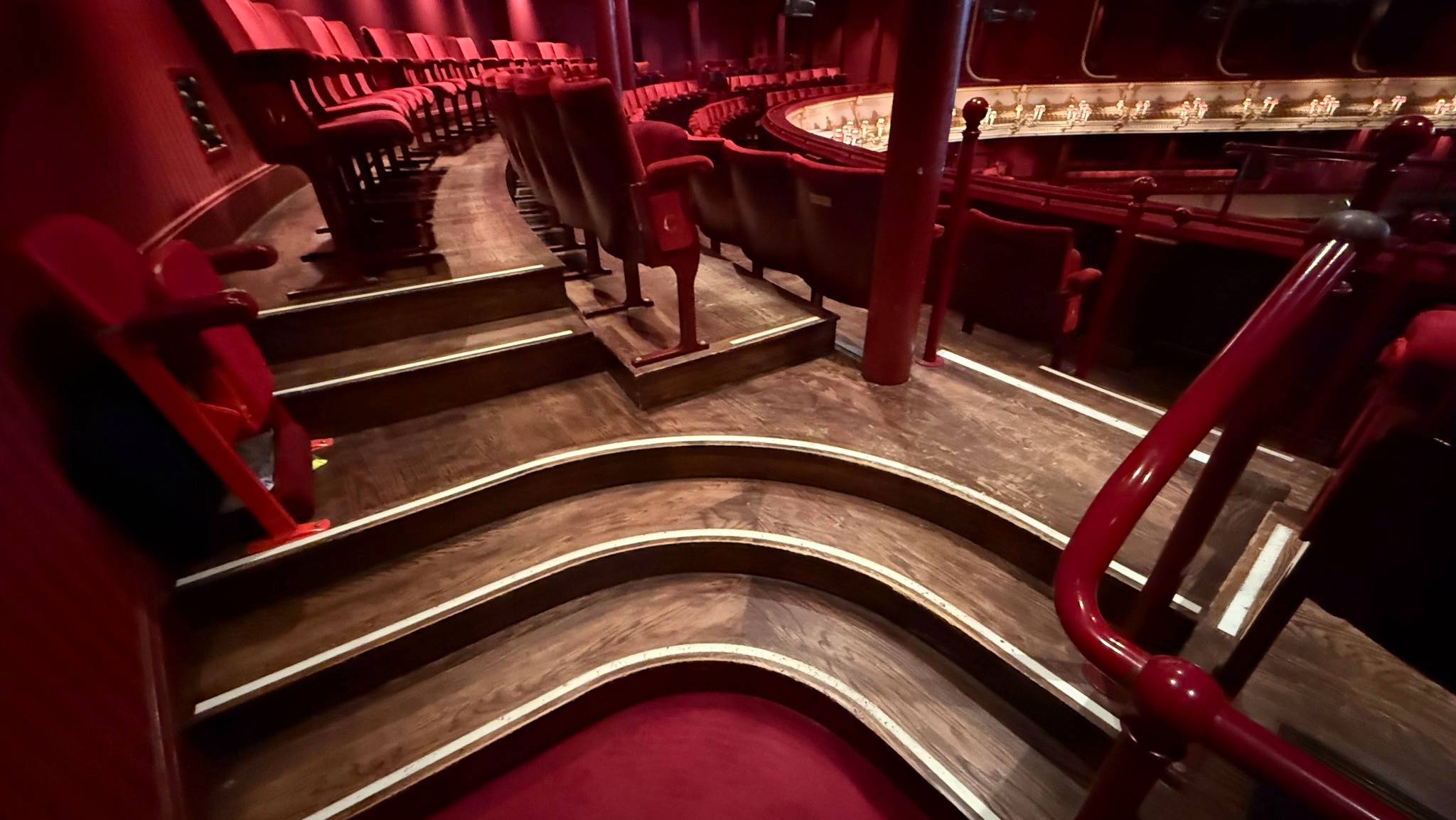
Before Our Restoration Services
-
The Restoration Process of The Royal Opera
-
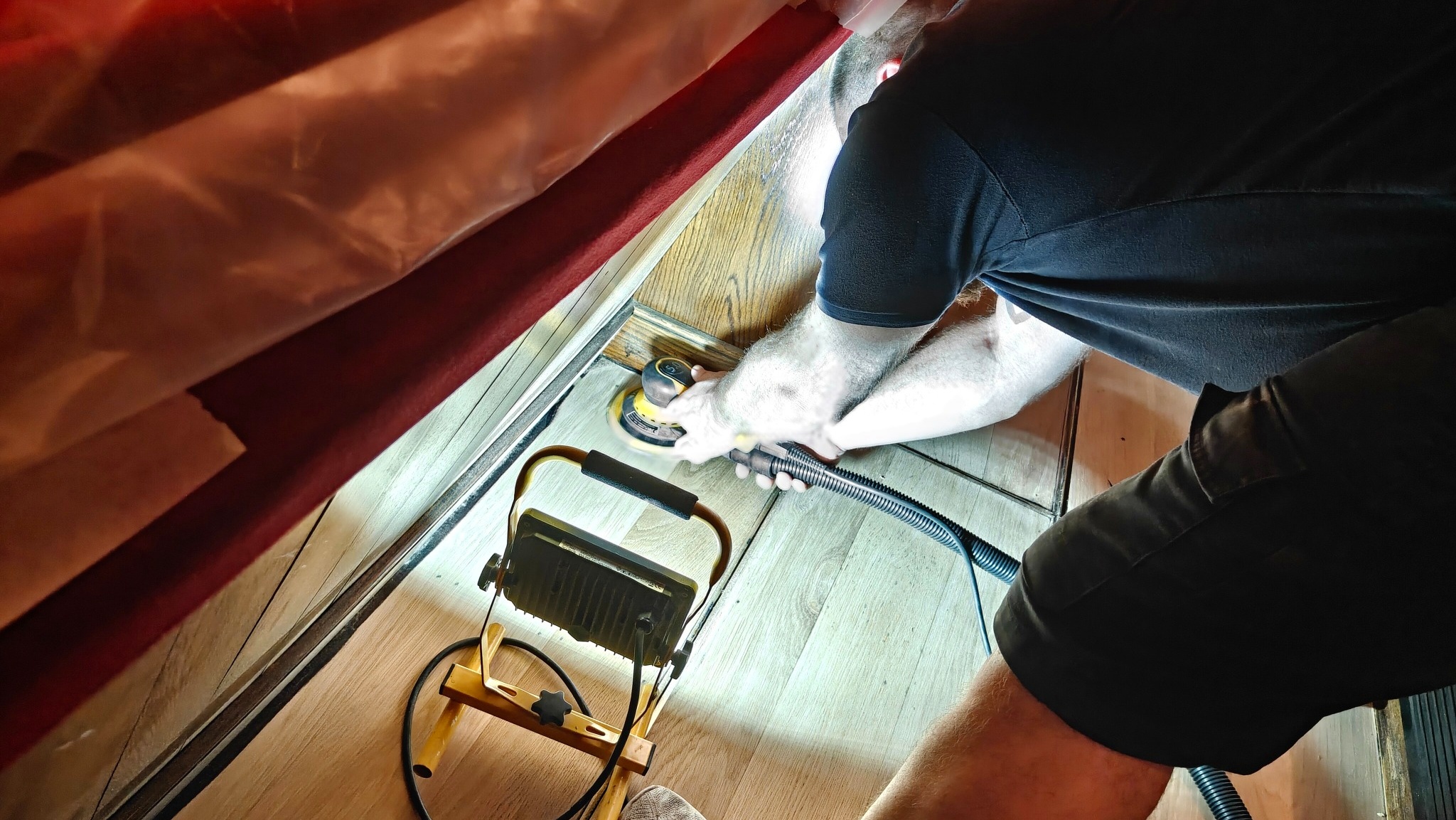
Floor Sanding in Progress
-
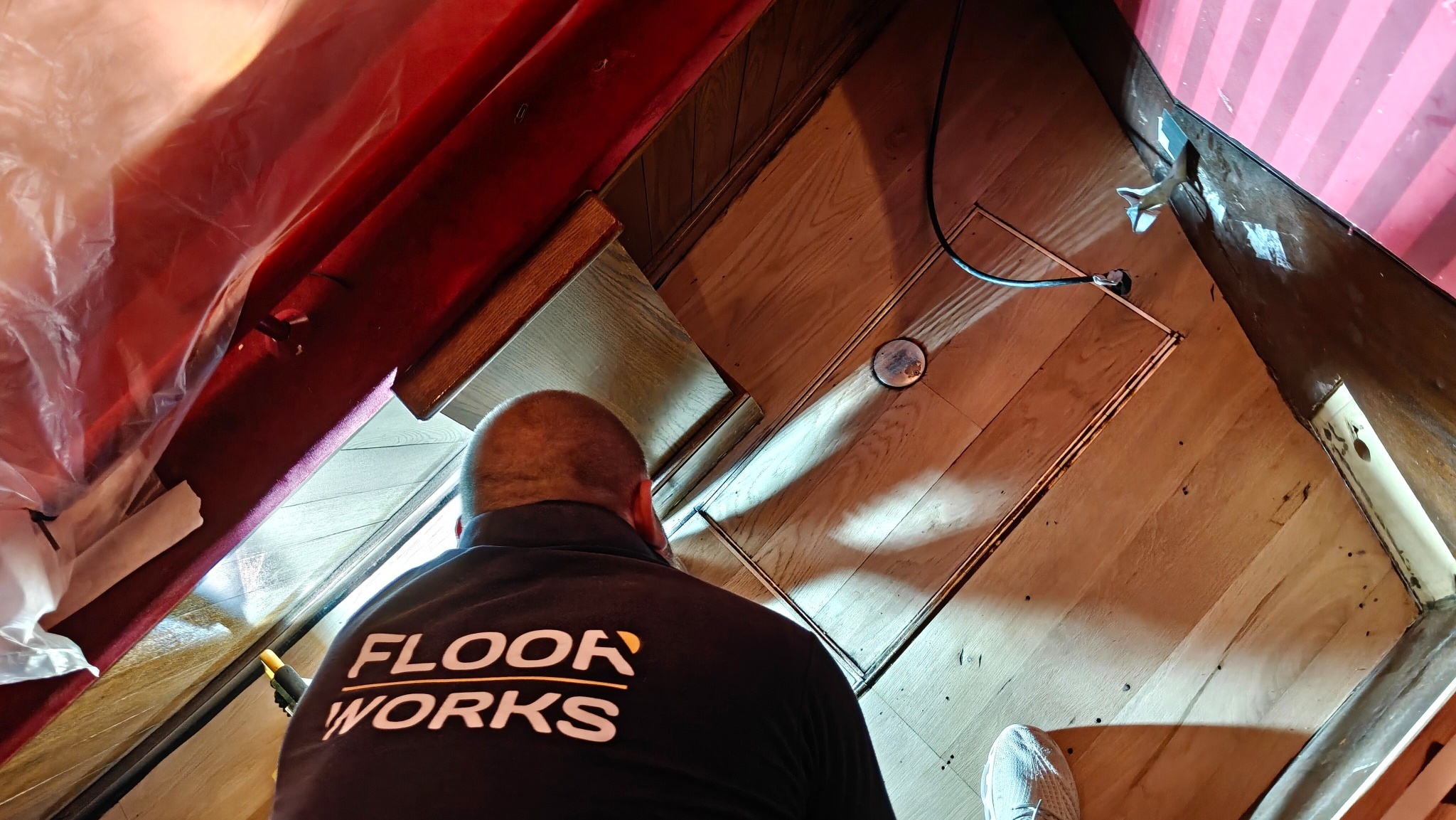
The Royal Opera Restoration
-
Restored Area of a Wooden Flooring in The Royal Opera House
-
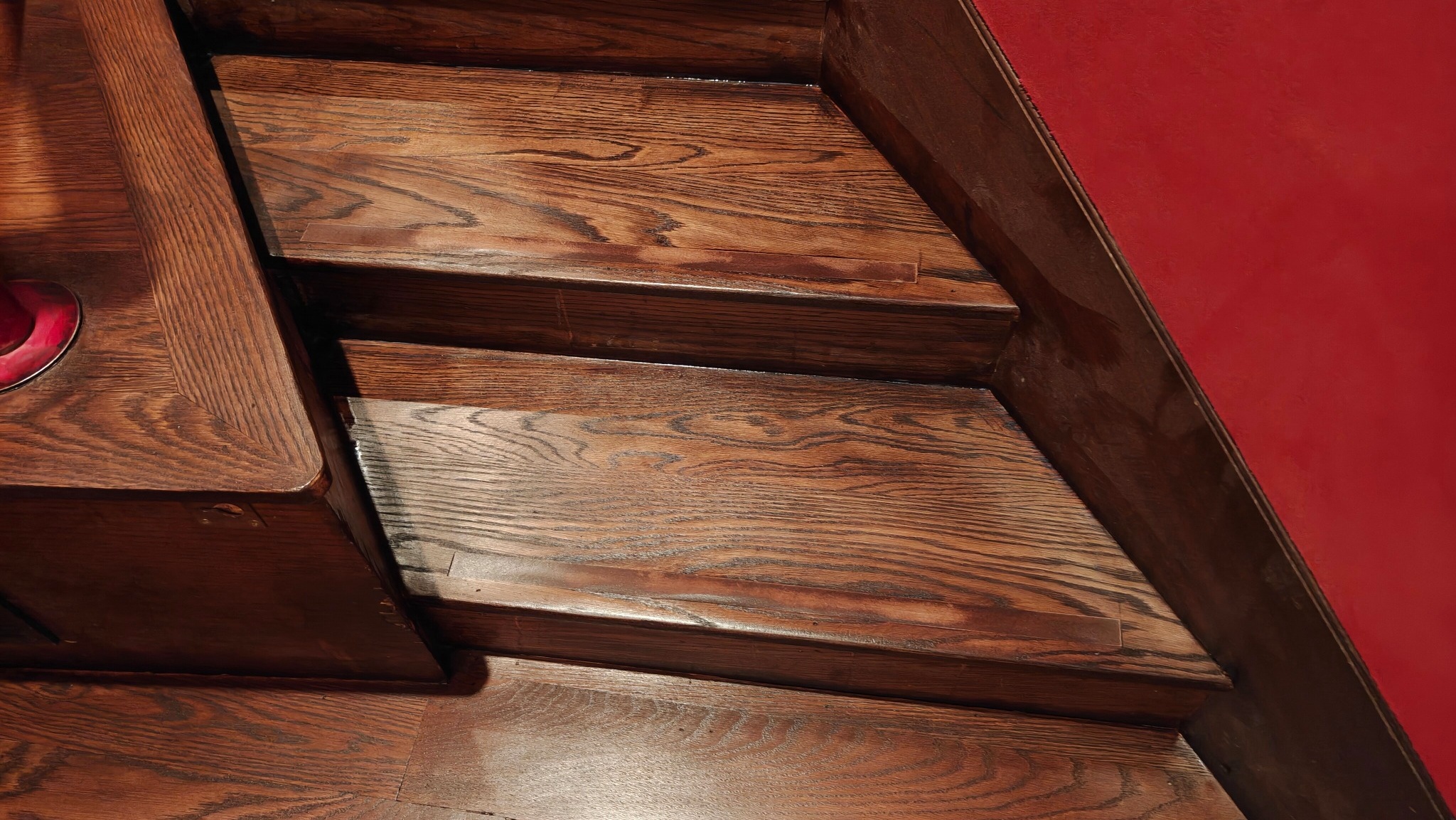
Restored Area of a Wooden Flooring in The Royal Opera House
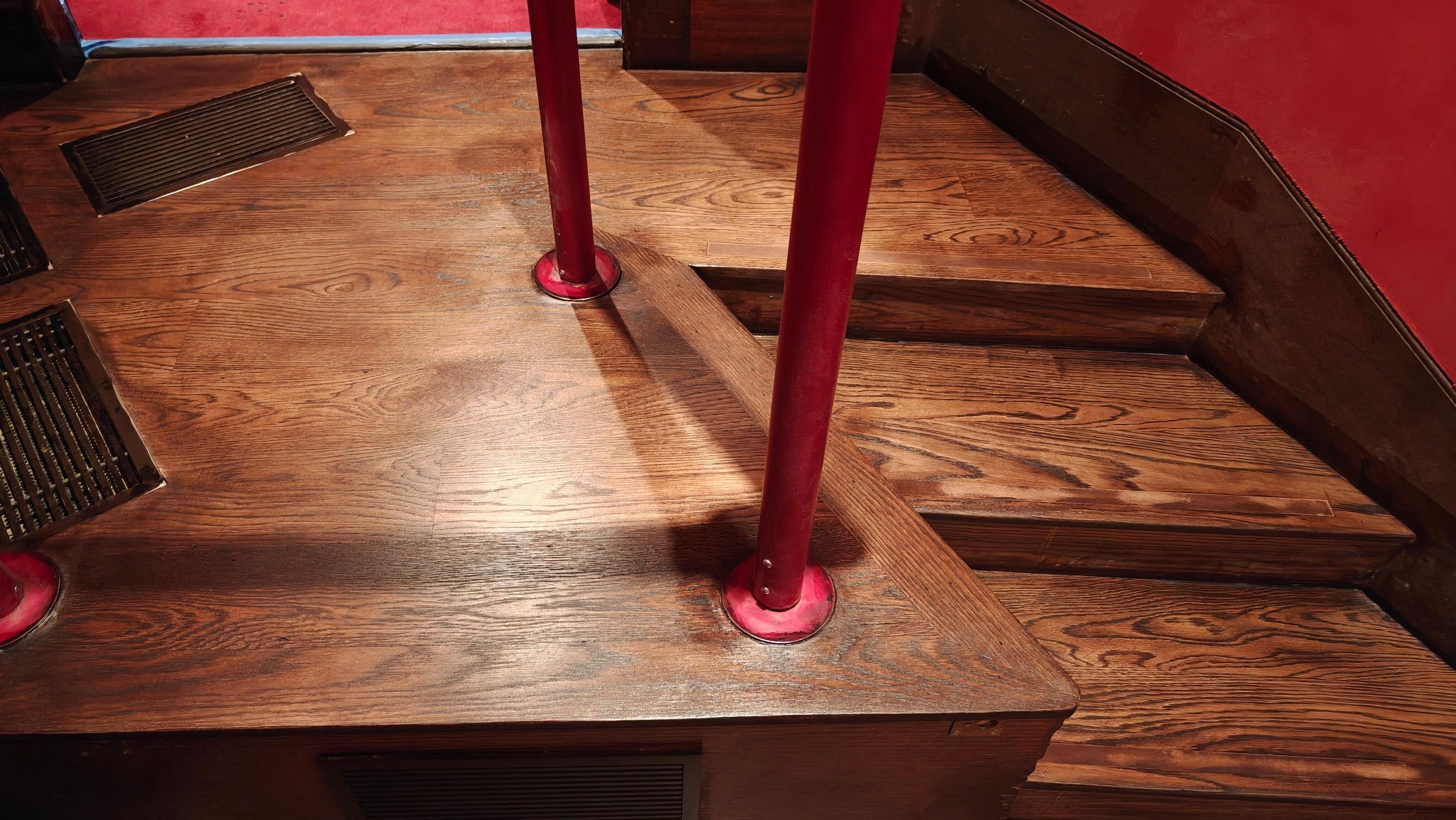
-
Restored Area of a Wooden Flooring in The Royal Opera House
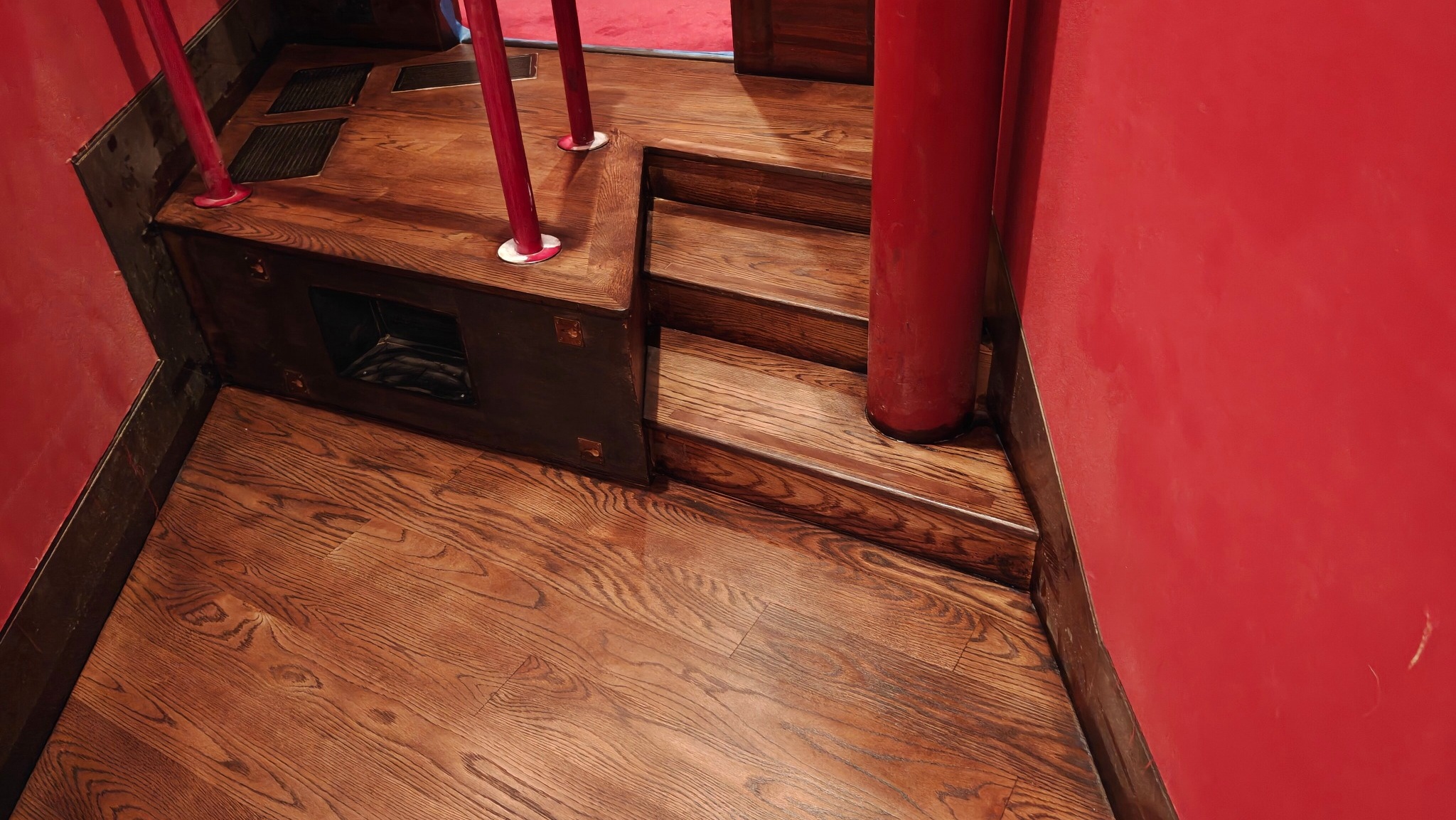
There are projects that are technically demanding. There are projects that are logistically complex. And then there are projects where both of those things are true, and where the standard of the finished result is measured not against what's typical for the industry, but against the building itself.
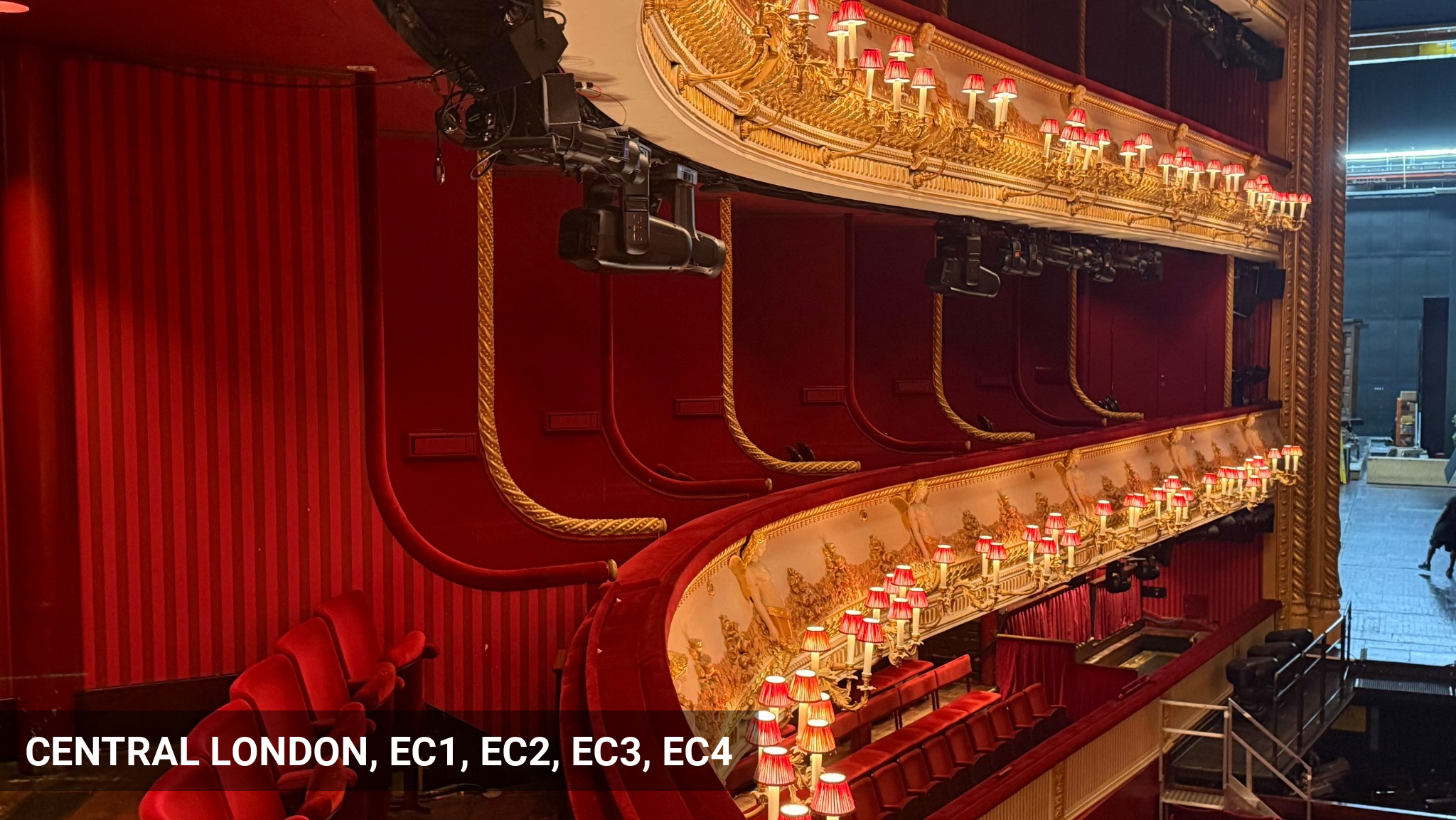
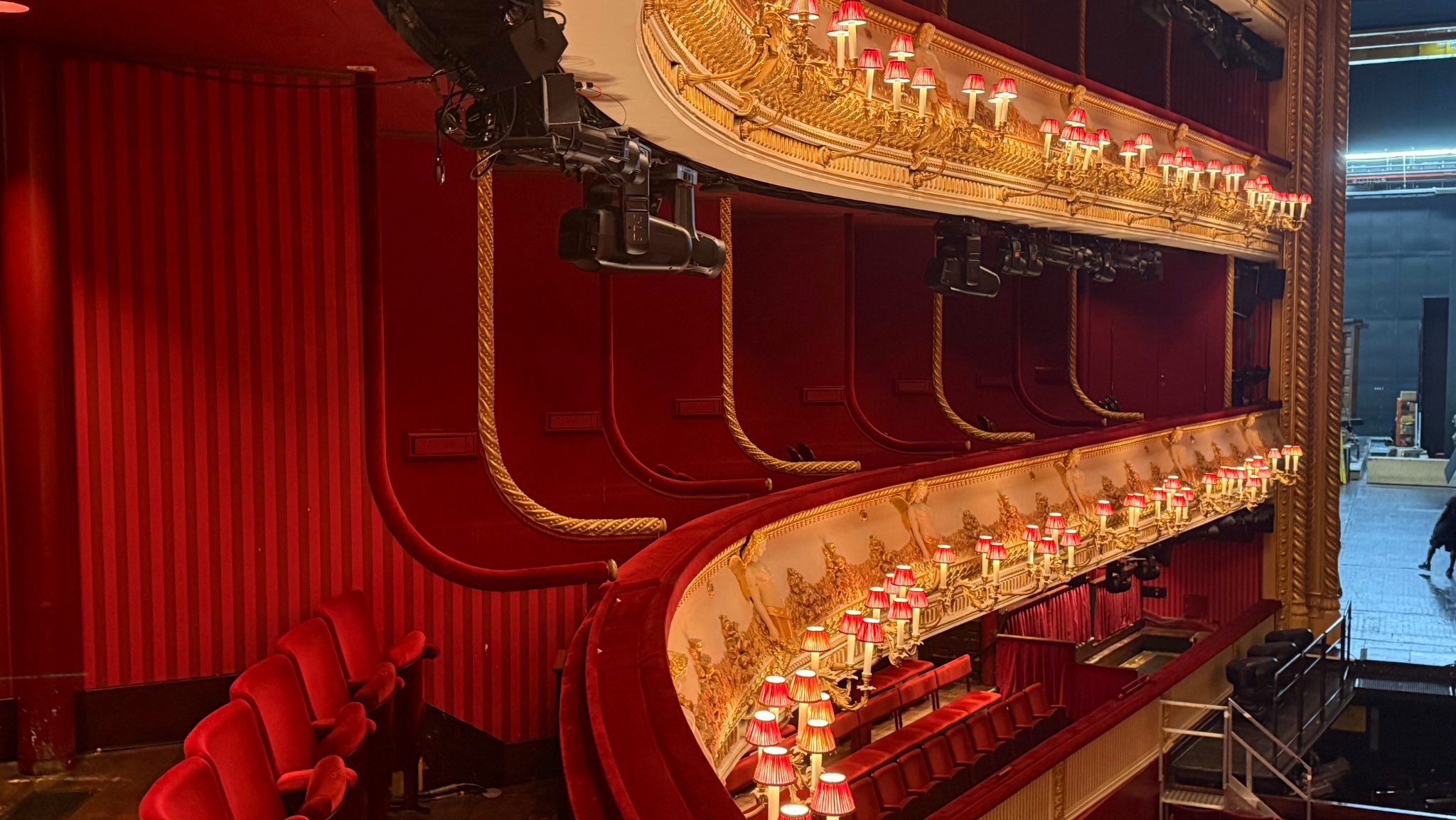
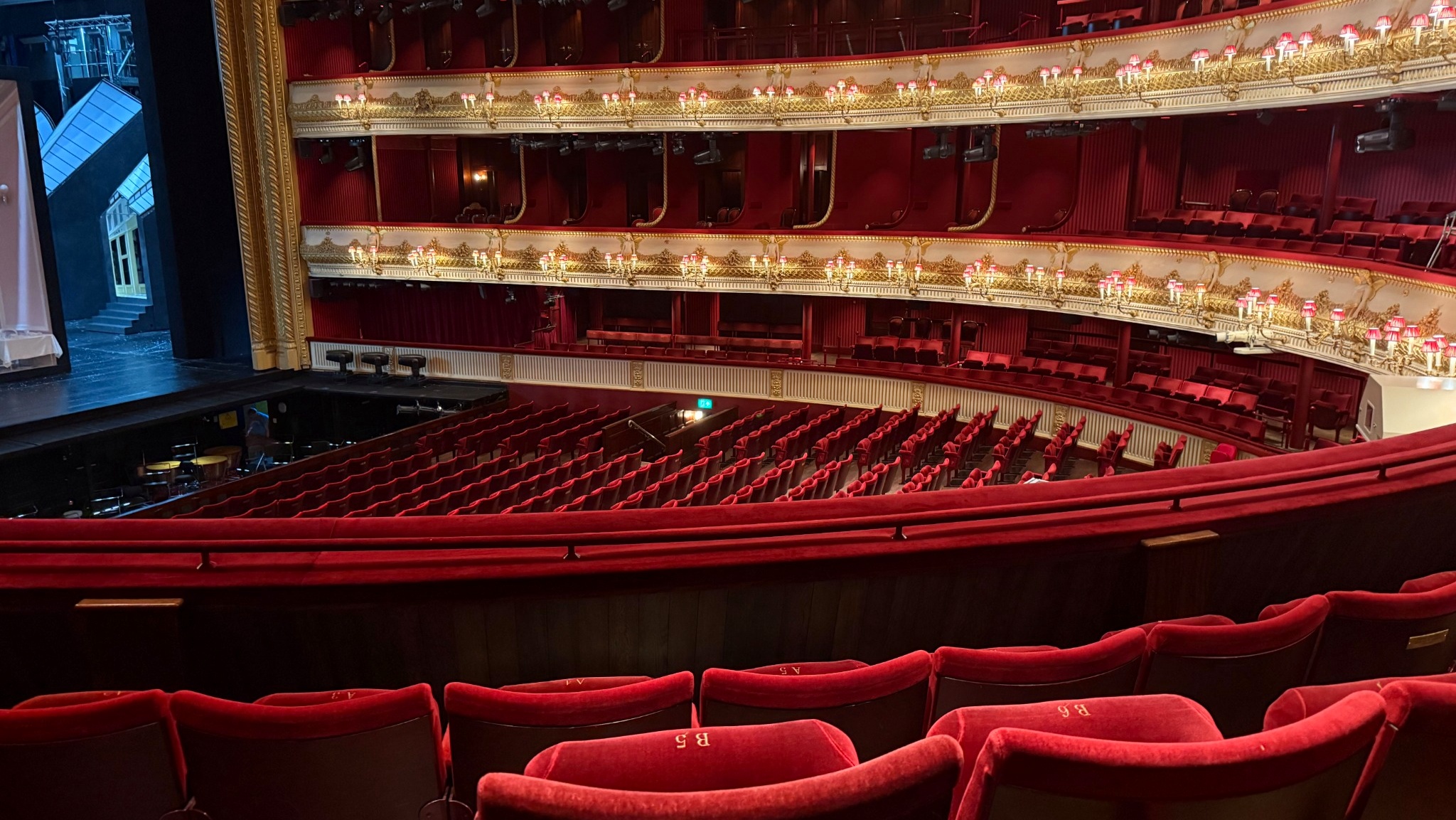
The Royal Opera House in Covent Garden is one of those buildings. Grade I listed, home to the Royal Opera and the Royal Ballet, it has occupied the same block in central London since 1732 in various forms — the current building dating to 1858. Every surface in it carries weight. The floors are no exception.
When Floorworks was engaged to carry out flooring restoration at the Royal Opera House, the brief was clear: the result had to be worthy of the space. This is how we approached it.
The Building and What It Demands
The Royal Opera House isn't a difficult client in the conventional sense. Nobody is asking you to cut corners or work below standard. The difficulty is different — it's the weight of expectation that comes with working in a building of this significance, where every decision is made against the backdrop of a 300-year institution.
The floors at the Royal Opera House include wide solid oak boards in the public-facing areas and stair treads that carry the same timber across the transition between levels — a continuity of material that gives the building a coherent, considered quality. These aren't new floors. They carry the history of the building in their grain, and the restoration had to honour that history rather than erase it.
The staircase in particular presented the most visible challenge. Stair treads in a public building at this level of use take punishment from every direction — foot traffic in heeled shoes, event crowds, daily operational movement. The existing finish had worn unevenly, with the treads showing concentrated wear in the centre while the risers and side cheeks had aged differently. The task was to bring the whole together as a unified surface — consistent in colour, consistent in sheen, properly protected — without making it look like it had just been installed rather than carefully restored.
The Approach: Stained and Lacquered Oak
The timber throughout the restored areas is solid oak — wide plank format on the floor and purpose-cut solid treads on the stairs. Oak of this quality, in these dimensions, is a material that rewards careful restoration. The open grain absorbs stain evenly and consistently when the preparation is right, and the medullary rays that run through the boards at certain angles catch the light in a way that gives the surface genuine depth.
The restoration was carried out in two distinct stages — preparation and finishing — with both handled to a standard that the building required.